Kilimanjaro Hiking Gear
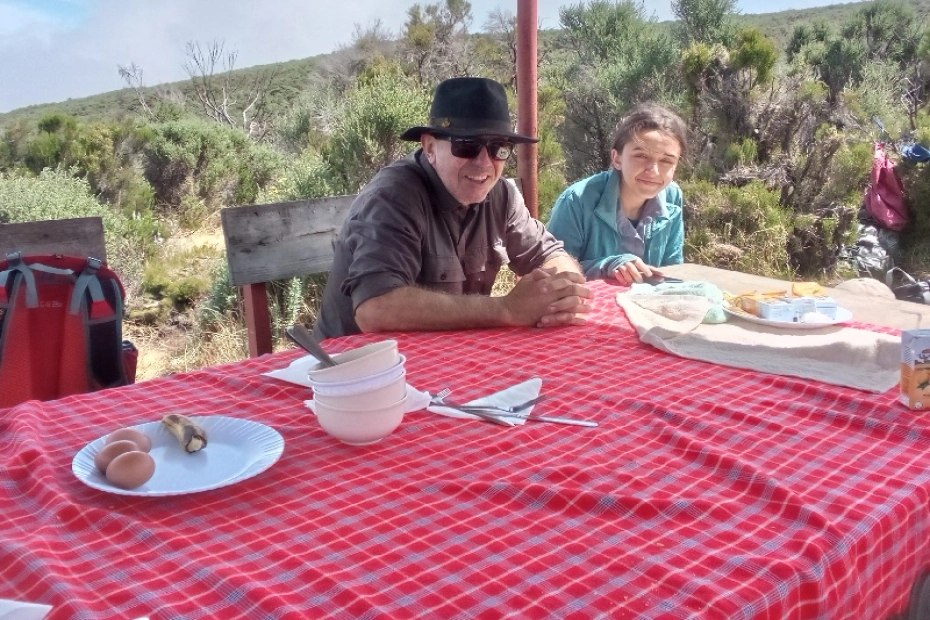
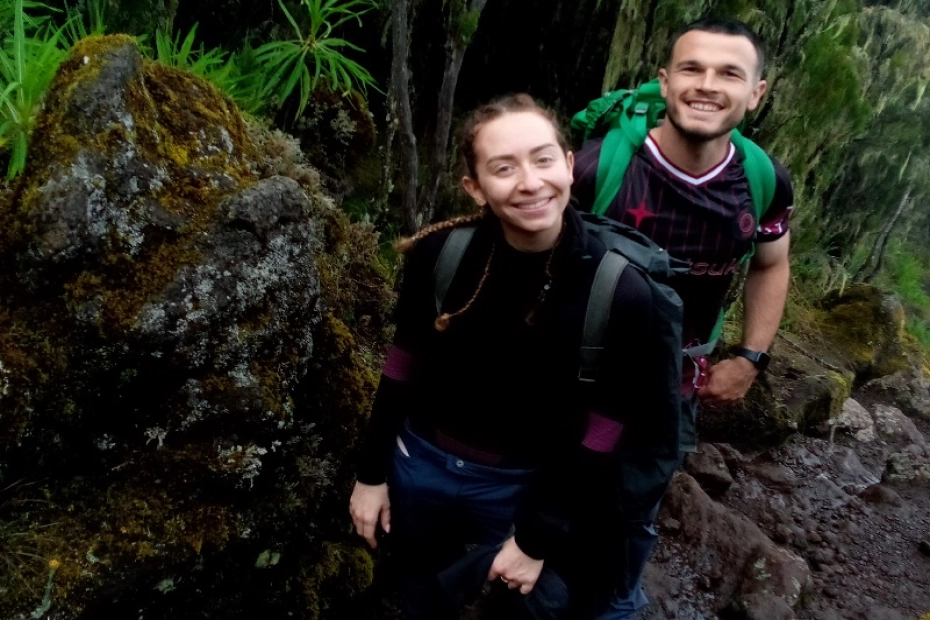
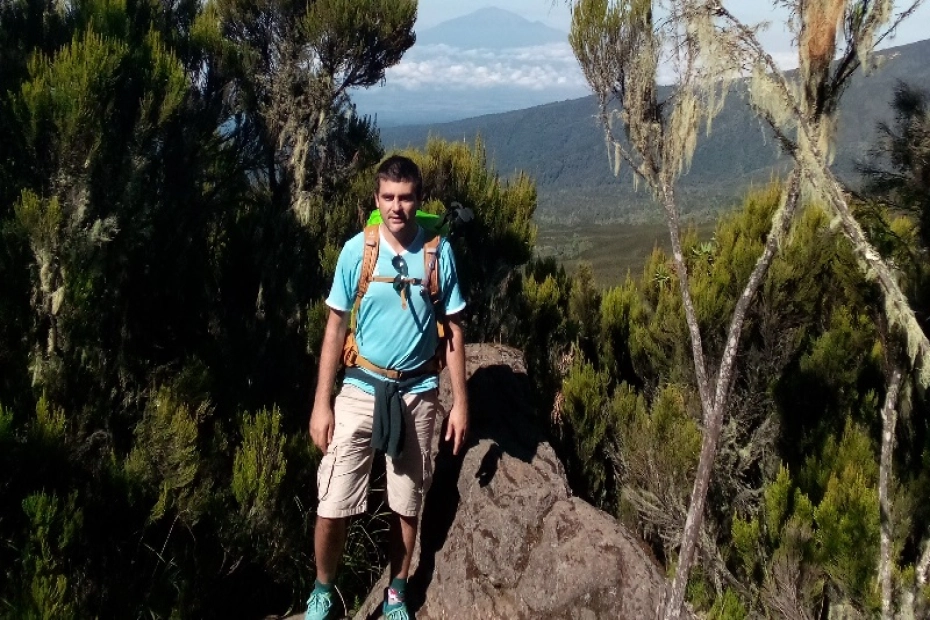
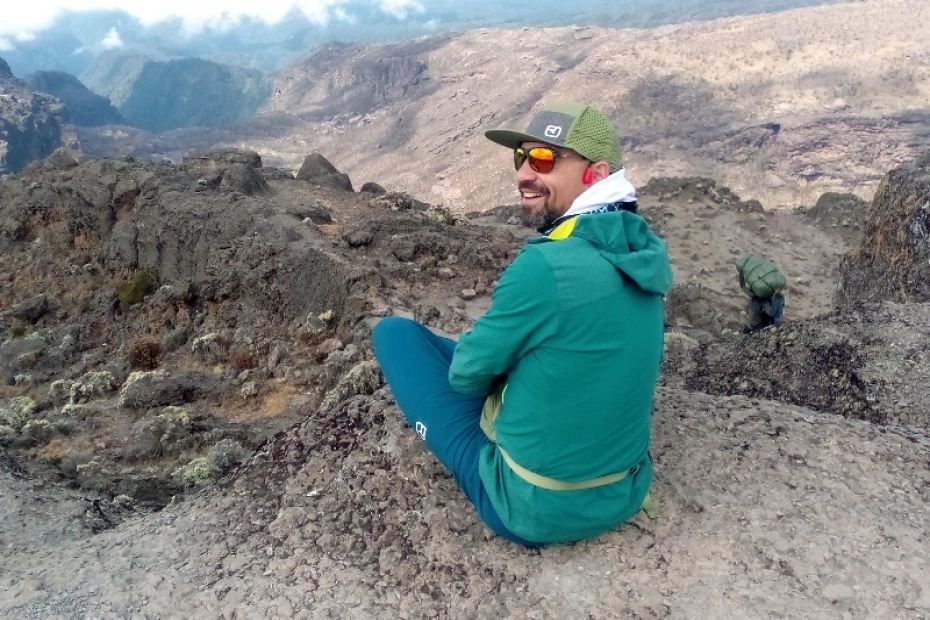
Kilimanjaro hiking gear is the essential equipment, clothing, and accessories that every climber must have to complete a successful and safe hike to the summit of Mount Kilimanjaro. The mountain’s extreme altitudes and changing weather conditions require reliable, high-quality gear. Proper preparation with the right Kilimanjaro hiking gear can be the difference between reaching Uhuru Peak or turning back due to discomfort, cold, or injury.
Having the correct Kilimanjaro hiking gear ensures you stay warm, dry, hydrated, and energized throughout your climb. Whether you’re on the Machame, Lemosho, or Marangu route, each day exposes you to different climates—from rainforests to alpine deserts to freezing summit zones. Below is the recommended list of Kilimanjaro hiking gear every climber should bring or rent.
Small Backpack/Day Pack (25–50 Liters)
Used to carry your daily essentials like snacks, water, camera, rain gear, and extra layers during the hike.
Sleeping Bag (Comfort -15°C)
Essential for cold nights on the mountain. Choose a sleeping bag rated to at least -15°C for warmth and comfort.
Mountain Sunglasses with UV Protection (3–4 Category)
Protect your eyes from intense sun and snow glare, especially during the summit day.
Hydration Bag/Bladder
Allows hands-free drinking during the hike. It should hold at least 2 liters of water.
Trekking Poles
Help reduce strain on knees during both ascent and descent. Adjustable poles are ideal for varied terrain.
Trekking Pants
Comfortable, breathable, and quick-drying pants for daily hiking. Convertible pants are also useful.
Warm Fleece Jacket (Recommended 2 pcs)
Used as an insulating mid-layer. Fleece is lightweight and keeps body heat in during cold mountain nights.
Membrane Jacket
A waterproof and windproof outer shell to keep you dry during rain and snowfall.
Membrane Pants
Serve as a waterproof layer over your trekking pants when hiking in wet or windy conditions.
Trekking Sneakers
Comfortable footwear for use around camps or on the first/last hiking day, depending on the terrain.
Hiking Boots (Ankle-Fixing)
Sturdy, waterproof, and broken-in boots with ankle support are a must for mountain hiking.
Thermal Underwear Set (Recommended 2 pcs)
Worn as a base layer to retain body heat in colder temperatures, especially during summit push.
Storm Jacket or Down Jacket (Comfort -15°C)
Used for summit day or high-altitude camps. Choose one with good insulation and wind resistance.
Storm Pants or Ski Pants (Comfort -15°C)
Designed for extreme cold and summit day conditions. Should be insulated and windproof.
Gloves or Mittens for Summit Day (Comfort -15°C)
Thick, insulated gloves or mittens are essential for the freezing summit night.
Fleece Gloves
A lightweight pair for moderate cold and layering under summit mittens.
Leg Gaiters
Protect your boots and lower legs from mud, snow, or loose stones.
Fleece Hat (Balaclava Recommended)
Covers your head and ears from the cold. Balaclavas offer extra protection for your face at high altitudes.
Headlamp (Including 1 Set of Batteries)
Vital for summit day, which starts around midnight. Keep spare batteries ready.
Waterproof Poncho
A lightweight poncho to cover yourself and your backpack during sudden rain.
Athletic long-sleeve shirts or T-shirts (recommended 2–3 pcs)
Base layer tops that wick sweat and keep you dry during hiking.
Flask (1 Liter) / Thermos (1 Liter)
Ideal for carrying warm drinks like tea or soup during cold days or summit night.
Hiking Socks (Recommended 4–5 pcs)
Thick, moisture-wicking socks help prevent blisters and keep feet dry.
Thermal Winter Socks for Summit Day (Comfort -15°C)
Thicker, insulated socks for extremely cold conditions at higher elevations.
Sunscreen Cream (SPF 30+)
High-altitude sun is intense. Apply SPF 30+ on exposed skin daily.
Towel/Wet Wipes
For personal hygiene during the trek, especially when showers aren’t available.
Toothpaste/Toothbrush
Don’t forget your basic hygiene items—they make a difference on longer treks.
Hand Warmer (Recommended—2 pcs.)
Useful on summit day or cold evenings. Easy to carry and provides extra comfort.
Neck Gaiter
Protects your neck and face from cold, wind, and dust. A versatile and lightweight accessory.
Having the right Kilimanjaro hiking gear helps ensure your comfort, health, and chances of reaching the summit successfully. Don’t underestimate the power of proper gear preparation. Whether you’re renting or bringing your own, double-check your list before starting the climb. The summit is waiting—but only those well-prepared with quality Kilimanjaro hiking gear will enjoy the journey to the fullest.